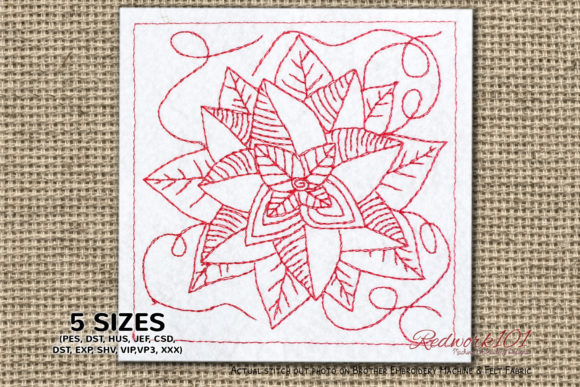
A Designer’s Review of the Christmas Flower Lineart Embroidery Design
When a new embroidery design lands in my studio, especially one meant for personalized gifts, I put it through a practical test. I imagine the real-life scenarios where it will live—on a baby’s first Christmas blanket, a kitchen towel gifted to a new neighbor, or a pillow cover destined to become a family keepsake. Today, I’m looking at the Christmas Flower Lineart Design, considering it from the viewpoint of a gift shop owner planning their seasonal lineup.
First Impressions: Mood, Charm, and Emotional Appeal
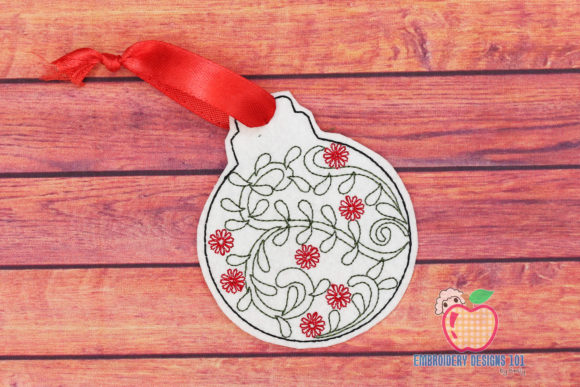
Opening this machine embroidery design, the immediate feeling is one of classic, seasonal charm. The lineart style suggests elegance and a touch of handmade artistry—it’s not overly busy, which is a strength. This gives it a versatile emotional appeal: it can feel sweet on a nursery item, romantic on a wedding gift keepsake, and timelessly festive on a holiday apron or custom embroidery tote bag. The detail level appears balanced; it should translate well into stitches without losing its delicate, floral character. This is key for attracting customers looking for a personalized gift that feels special but not overwhelming.
Applications: Where This Design Thrives
The potential for this embroidery file in a small shop is vast. Its clean, interpretable style makes it a candidate for many products. For baby embroidery, think of it stitched on a blanket corner or a delicate wall hanging for a nursery. As a wedding gift, it could adorn a pillow cover or a linen handkerchief box, representing a floral touch for a Christmas-season wedding. For everyday handmade products, it’s perfect for embroidered towels, apron pockets, and pillow covers. For craft fair products or Etsy listings, offering it on a range of items—from blanket embroidery to tote bags—creates a cohesive collection. The design also lends itself well to custom order previews; a customer could easily envision it on their chosen item.
Considerations for Careful Application
While versatile, any design requires thoughtful application. For the Christmas Flower Lineart Design, pay close attention to scale on items with small lettering areas—ensure the design isn’t too dense for tiny spaces. The delicate lines mean you should test it on textured fabric and thick towels to guarantee clarity. On stretchy baby clothes or curved surfaces like caps, a robust stabilizer is non-negotiable. Stitching on dark fabric will require thoughtful thread color selection for contrast. And for any product destined for frequent washing, like kitchen linens, a test on scrap fabric is essential to check stitch integrity.
The Giftability Factor and Customer Perception
From a retail perspective, this design significantly enhances giftability. Its classic floral theme taps directly into seasonal nostalgia and warmth, increasing the perceived value of the finished item. A customer browsing for a meaningful gift sees an embroidered towel with this design and immediately connects it to holiday hospitality or a thoughtful family personalized gift. This builds customer trust and engagement—they recognize a handmade quality that feels intentional. For your product photography, the clean lines will photograph beautifully, making your Etsy seller listings or small shop product pages more compelling. The emotional connection is strong here; it’s a design that tells a story of celebration and care.
Practical Embroidery Notes for a Successful Product
Before running this digital embroidery file on a customer’s order, I follow a standard protocol. First, always test on scrap fabric of the same type you plan to use. This reveals how the stitch density interacts with the material. Check thread color contrast thoroughly, especially if the description notes that the color of an outer element may vary; you want the final piece to be coherent. Confirm hoop size compatibility—the design should fit comfortably within your intended hoop without compromising detail. Use proper stabilizer for the specific fabric texture; this is crucial for the lineart to remain crisp.
I also create light and dark fabric mockups, even simple printable mockups for customer approval, to visualize the outcome. After stitching, check small details after stitching closely—sometimes a fine line might need a slight adjustment in thread choice or tension. Finally, a paramount step for any commercial embroidery or selling of finished products: confirm commercial licensing before selling finished products. If the file details are unclear regarding licensing terms, it is essential to verify this with the designer or distributor. Never assume.
A Note on the Design Description
The product description mentions that “The Box Stitch shown in picture is optional” and that the color of an outer box may differ unless part of the design itself. This is a practical note for the embroiderer. It means you have flexibility. You can embrace that element if it suits your product vision, or you can simplify the design by skipping it directly to focus on the floral lineart itself. This adaptability is actually a boon for personalized gift applications, allowing you to tailor the final look to the specific item—a minimalist version for a delicate baby blanket, or a fuller version with the box stitch for a decorative pillow.
In conclusion, the Christmas Flower Lineart Design presents a strong, emotionally resonant option for your Christmas embroidery portfolio. It bridges the gap between seasonal specificity and versatile charm, making it a reliable choice for baby items, wedding keepsakes, home decor, and personalized linens. By applying it thoughtfully, testing it rigorously, and ensuring proper licensing, you can transform this digital embroidery file into a range of handmade products that will delight your customers and elevate your shop’s holiday offerings.