A Christmas Dutch Dog Embroidery Review
When I pull up a new embroidery file for review, I’m looking at it through the lens of real projects. This isn't about whether it’s cute or festive; it’s about whether it will stitch out cleanly, resonate with a customer, and ultimately work on the intended product. So, let’s talk about the Christmas Dutch Dog Redwork design.
The Immediate Charm and Practical Personality
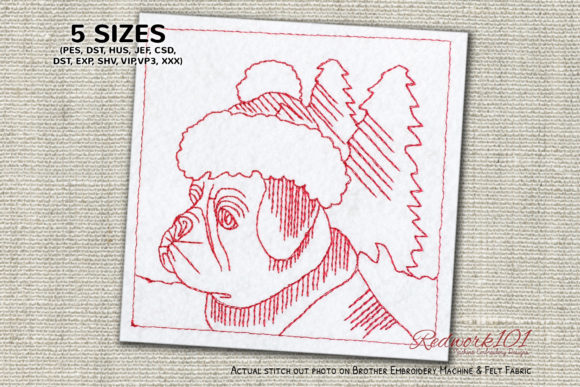
The first impression is one of cheerful, rustic holiday charm. This isn’t a hyper-detailed, photorealistic portrait. It’s a stylized, almost storybook illustration—a dog in a simple Dutch setting with clear Christmas elements. The mood it creates is nostalgic and friendly, perfect for that handmade, cozy aesthetic so many buyers seek during the holidays. The layout feels balanced, and the detail level is thoughtful: enough to be recognizable and engaging, but not so dense that it becomes a stitching challenge on common fabrics.
Its visual personality lands somewhere between a classic ornament and a modern folk art piece. That’s a valuable niche. It tells me this design naturally belongs to projects like a special holiday apron, a custom pillow cover for a cozy living room, or a framed piece of nursery decor. It has a giftable quality right from the preview.
Where This Design Finds Its Best Home
In practical application, I envision this Christmas Dutch Dog performing beautifully on stable, natural fabrics. Think of a beautiful linen tea towel, a cotton tote bag for holiday shopping, or a high-quality cotton sweatshirt. These are the real-life stars for this kind of redwork aesthetic. For small business owners and Etsy sellers, it translates effortlessly into products that feel premium and handmade.
It would be a strong choice for a boutique’s limited-edition holiday merchandise or a personalized gift for a dog-loving family. The design also has clear potential as an embroidered patch, which could be applied to caps, bags, or blankets, adding versatility for crafters. In commercial embroidery settings, it’s a quick, charming addition to a line of holiday apparel.
Careful Considerations for Stitching Success
No design is universally perfect, and a professional’s job is to see the limits. For the Christmas Dutch Dog Redwork, I’d be cautious on very small hoop sizes. If the design has any fine details or small lettering (like the optional box stitch mentioned), those elements could lose clarity when miniaturized. Always test on scrap fabric first.
Textured fabrics like thick sweaters or stretchy fabrics like t-shirts require extra attention. The likely use of fill stitches and satin stitches means stitch density is key; improper stabilizer on stretchy material could lead to puckering. Dark fabric backgrounds demand careful thread color selection for contrast—the traditional redwork palette might need adjustment to pop on navy or black.
Curved surfaces, like the crown of a cap, can distort simpler designs, so hooping and stabilization are paramount. And for products destined for frequent washing, like kitchen towels or baby items, ensuring the stitching is secure and the design isn’t too dense in one area will prevent premature wear.
The Impact on Your Business and Your Buyer
Using a well-executed design like this affects everything downstream. Stitching clarity translates directly to visual appeal and perceived product value. A clean stitch-out builds customer trust and reinforces a professional, handmade presentation. For creative entrepreneurs, this consistency strengthens brand consistency across your product line.
This design’s inherent giftability and instant recognition of the holiday theme drive buyer engagement. It’s not a generic snowflake; it’s a specific, memorable scene that tells a story. That story sells.
Notes From the Hoop: A Designer’s Checklist
Before you run this machine embroidery design for a client project or your next craft fair batch, here’s my mental checklist. These are the steps I take for any new embroidery file.
- Test, Always Test. Run it on a scrap of your intended fabric. Check for thread breaks, jumps, and that all elements stitch cleanly.
- Evaluate Color Contrast. Look at the design in a black-and-white mockup to see if the values hold up. Will it work on both light and dark backgrounds?
- Review the Density. Does it feel balanced? Are there areas of overly dense fill stitch that might strain thinner fabrics?
- Confirm Your Hoop Size. Match the design size to a hoop that gives you stability and ease of placement.
- Inspect Small Details. Pay close attention to any tiny features or optional elements like the mentioned box stitch. Decide if they enhance or complicate your final product.
- Use the Right Stabilizer. This is non-negotiable. The correct stabilizer for your fabric texture is the foundation of a good result.
- Clarify Licensing. The product description doesn’t specify license terms. It is your responsibility to confirm licensing before selling any finished product or using it in commercial embroidery. Know the rules for your craft business.
Finally, think about the end product holistically. Does this Christmas Dutch Dog feel right for a baby’s first Christmas bib? Will it scale well for a statement pillow? Does it align with your shop’s other holiday design assets? Your answer to those questions, based on this practical evaluation, will tell you if this is the right embroidery project for your time, thread, and creative energy.
The Christmas Dutch Dog Redwork offers a solid, charming foundation. With careful application and professional preparation, it can become a standout piece in your holiday collection, whether you’re making a personalized gift for a friend or stocking your small shop product shelves for the season.